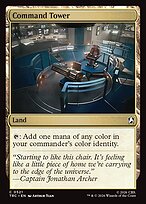
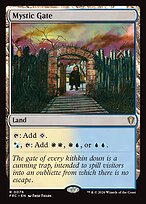
Command Tower
UntappedTaps for any colour in your commander's colour identity. Enters untapped and costs nothing.
In practice: Cheap, and it only exists in Commander. If your deck has two colours or more, play it.
A two- or three-colour deck needs lands that make more than one colour. There are dozens of families of them, each with a nickname. This guide explains the most played ones, from best to simplest, with the cards and today's prices.
Every land that makes a colour is a source of it. The more green sources you have, the earlier you can cast your green spells.
A land that enters tapped only makes mana the next turn. One or two do no harm; many slow your whole game down.
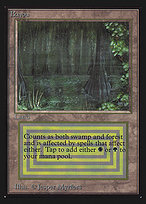
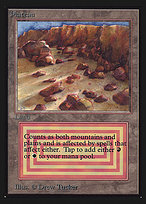
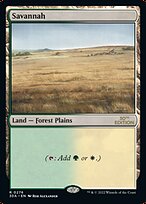
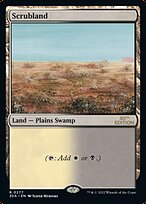
Some two-colour lands are also a Plains, Island, Swamp, Mountain or Forest. That matters because other cards (like fetch lands) look for lands by type.
No condition: ready to use the turn they come in.
Taps for any colour in your commander's colour identity. Enters untapped and costs nothing.
In practice: Cheap, and it only exists in Commander. If your deck has two colours or more, play it.
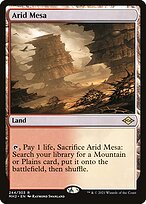
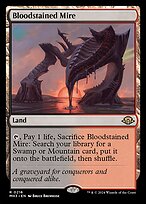
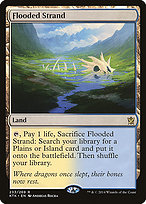
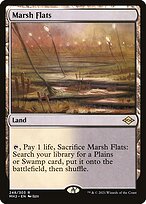
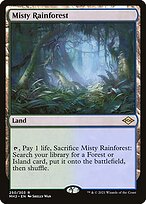
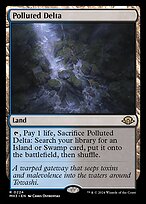
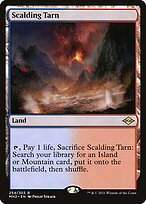
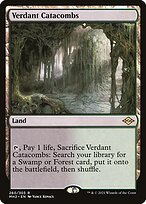
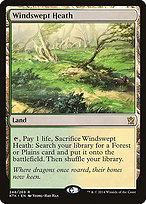
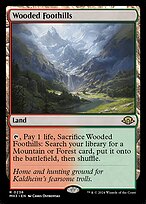
Pay 1 life and sacrifice the fetch to search your library for a land with one of two basic types and put it onto the battlefield untapped.
In practice: A fetch counts as every colour it can find. It shines next to lands that have basic types: shocks, original duals and triomes.
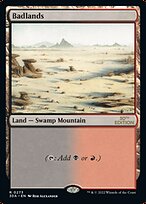
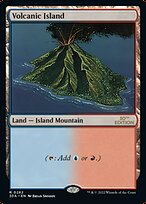
The first two-colour lands, from 1993. They enter untapped, cost nothing to use and have both basic land types (Tundra is a Plains and an Island at once).
In practice: The best there is and the most expensive: they are on the Reserved List and will never be reprinted. You do not need them to play well.
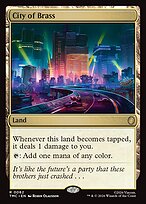
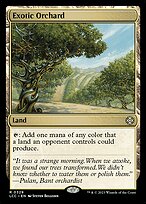
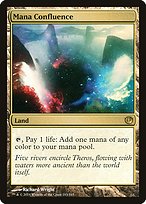
They tap for any colour and enter untapped. The cost is elsewhere: life on every tap (Mana Confluence, City of Brass), or depending on what your opponents play (Exotic Orchard).
In practice: Exotic Orchard is cheap and almost always works at a four-player table.
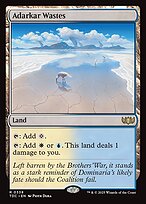
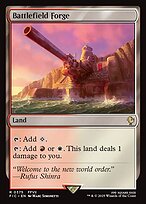
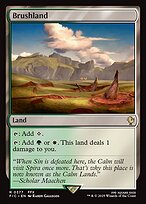
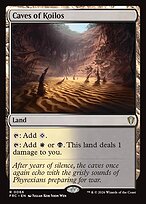
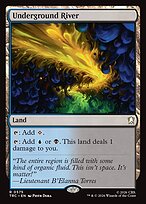
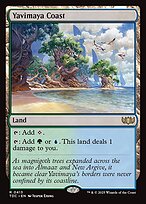
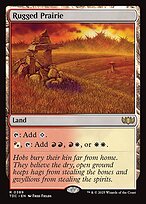
Tap for colourless for free, or for either colour by taking 1 damage. They always enter untapped.
In practice: The cheapest unconditional colour fixing there is. The damage rarely matters in a game that starts at 40 life.
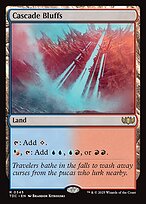
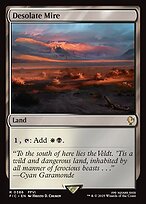
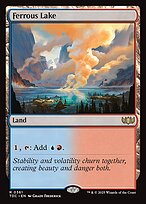
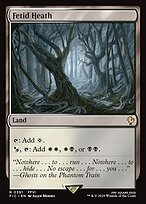
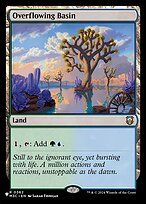
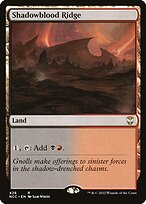
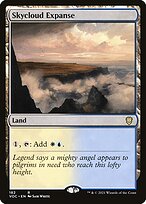
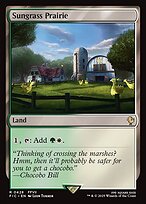
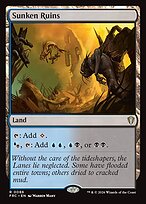
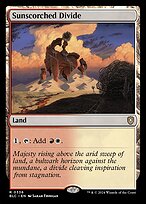
Turn one mana into two of their colours: pay one mana and get, say, two white or one white and one blue. On their own they only make colourless.
In practice: Careful: a filter land with no other land in play makes no colour. Don't count it as a colour source early in the game.
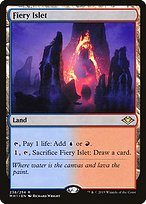
Enter untapped and tap for either colour by paying 1 life. Later you can sacrifice one to draw a card.
In practice: Good in long games: a land you no longer need turns into a new card.
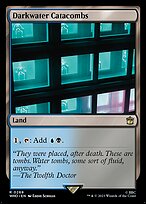
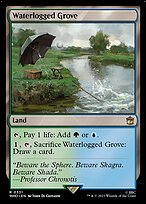
They depend on a condition: paying life, having certain lands, or how many opponents you have.
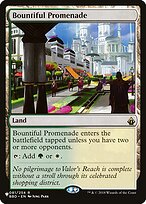
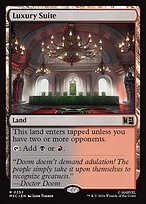
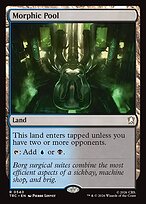
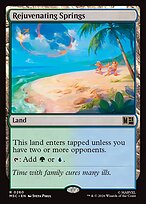
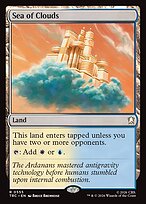
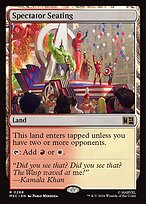
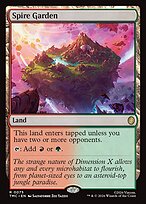
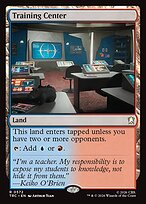
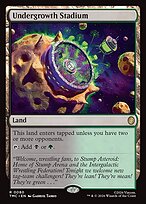
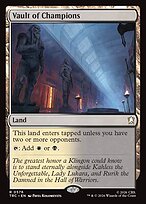
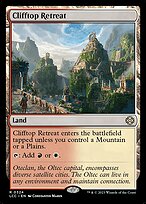
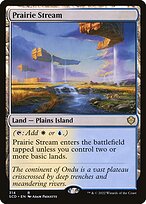
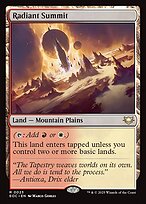
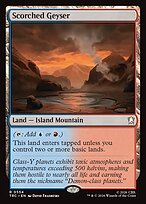
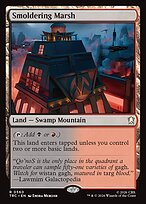
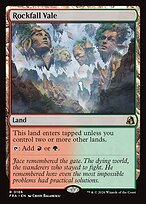
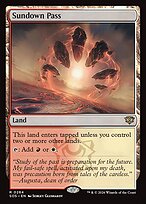
Enter tapped unless you have two or more opponents.
In practice: Made for multiplayer: at a four-player Commander table they always enter untapped. Among the best value for the price.
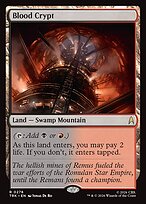
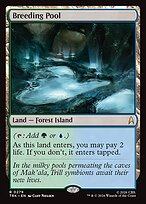
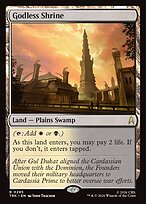
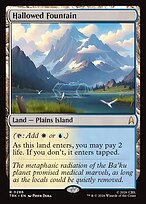
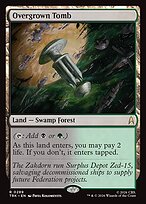
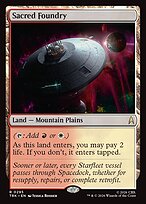
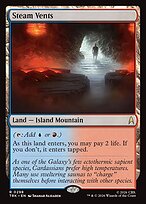
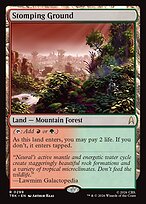
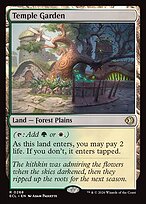
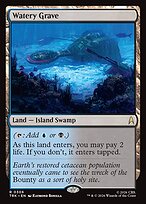
As it enters you choose: pay 2 life and it enters untapped, or don't and it enters tapped. They have both basic land types.
In practice: At 40 life, paying 2 is almost always worth it. Their basic types also make them the favourite target of fetch lands.
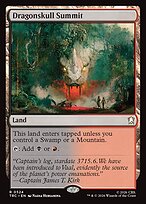
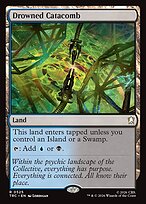
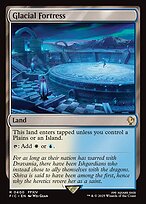
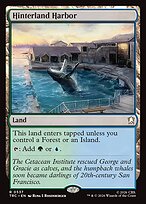
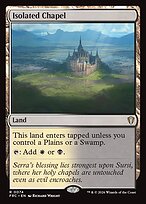
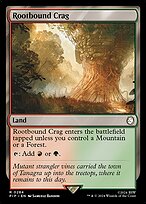
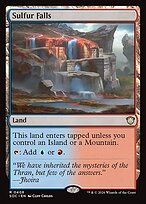
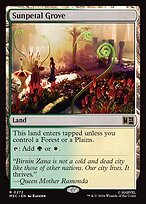
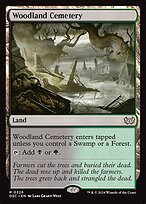
Enter untapped if you already control a land of one of the two basic types they check (for example, a Plains or an Island).
In practice: They work with basics, shocks and duals. In a deck with few typed lands they enter tapped too early.
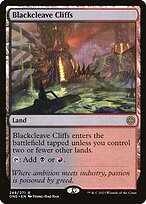
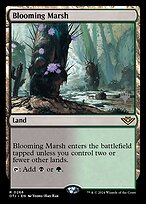
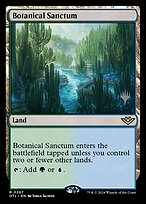
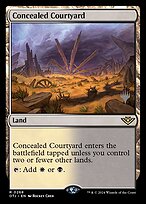
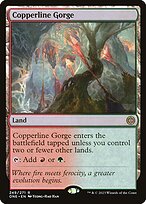
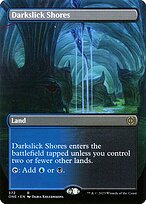
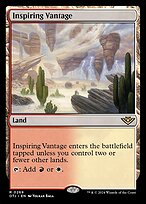
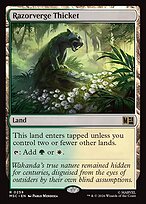
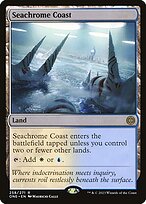
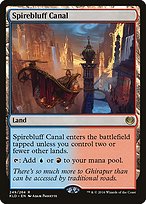
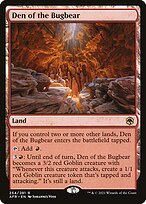
Enter untapped if you control two or fewer other lands. Great in the first turns, tapped after that.
In practice: Commander games are long, so they are weaker here than in 60-card formats.
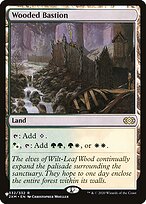
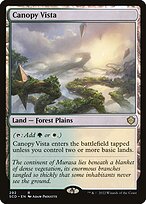
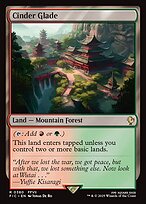
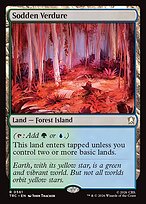
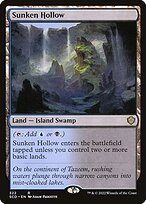
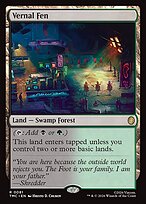
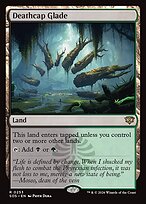
Enter untapped if you control two or more basic lands. They have both basic land types.
In practice: They only work in decks with plenty of basics. In three colours or more they tend to enter tapped.
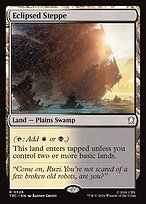
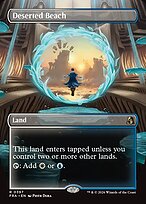
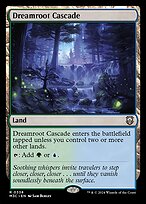
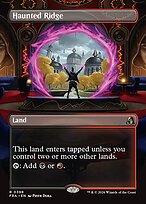
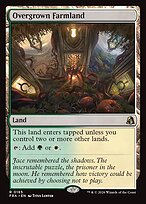
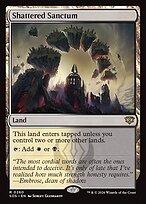
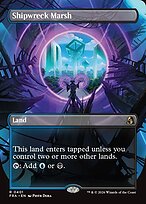
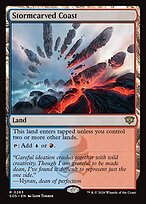
Enter tapped unless you already have two or more other lands. From turn three on, they enter untapped.
In practice: The reverse of fast lands, which makes them better in Commander. Only bad in very fast decks.
Cheaper, with some bonus to make up for the late mana.
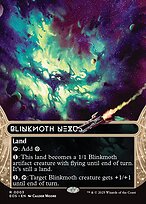
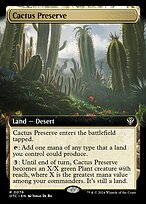
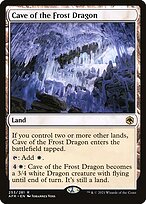
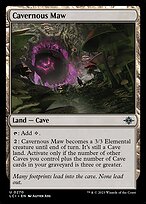
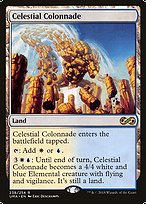
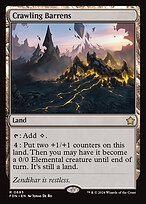
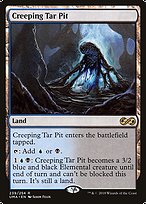
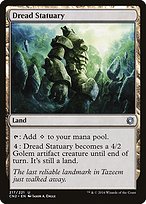
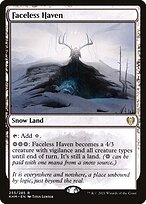
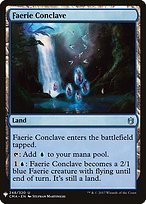
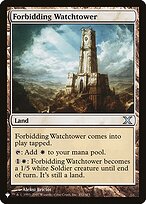
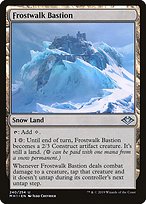
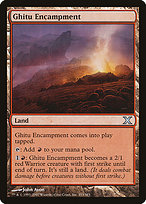
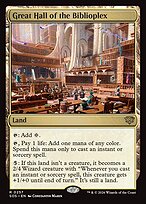
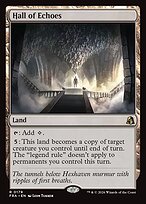
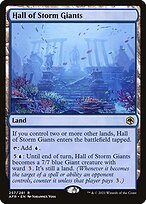
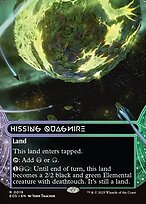
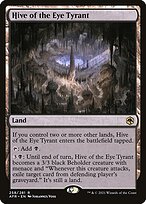
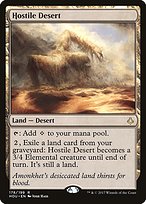
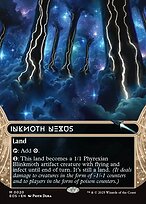
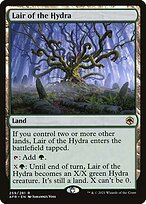
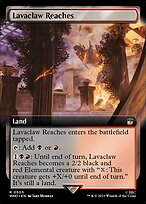
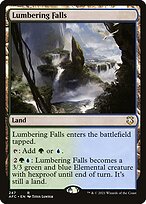
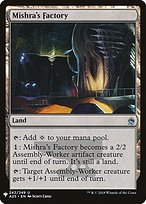
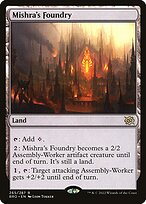
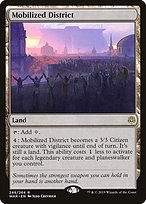
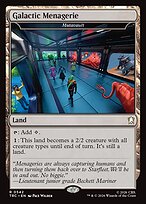
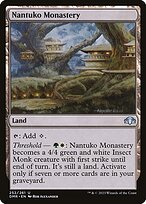
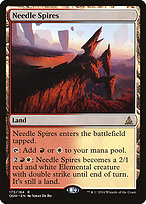
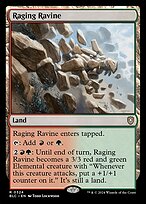
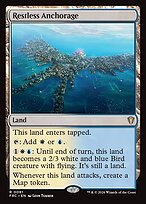
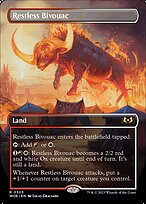
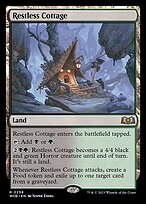
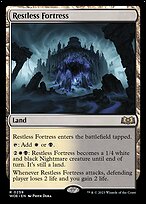
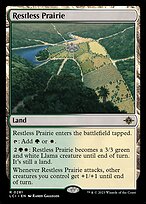
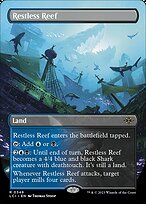
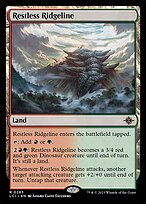
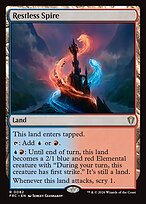
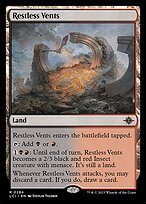
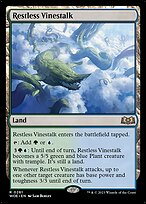
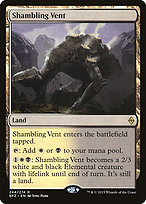
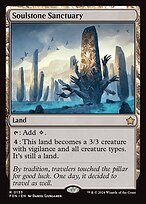
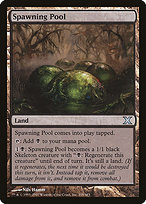
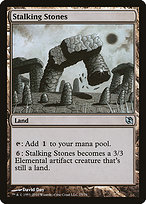
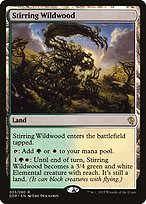
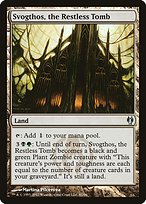
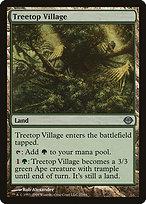
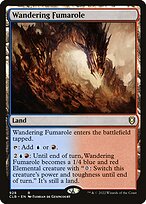
Lands that turn into creatures: pay mana and they attack or block until end of turn. Most enter tapped.
In practice: One more threat late in the game without taking a spell slot.
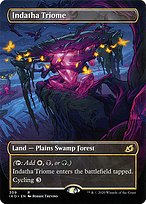
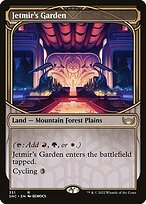
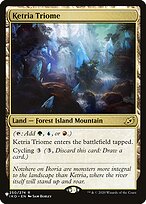
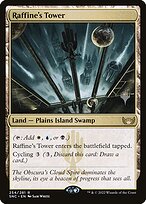
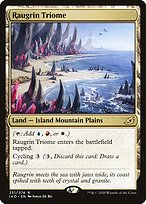
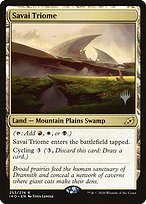
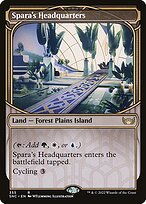
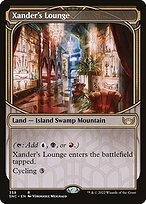
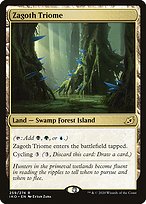
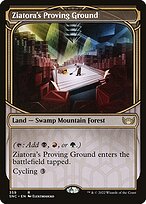
Tap for three colours and have three basic types. Always enter tapped. When you don't need one, pay 3 to swap it for another card (cycling).
In practice: The best land that enters tapped. With fetches, it becomes a three-colour source.
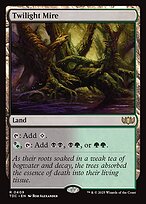
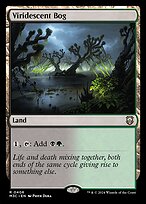
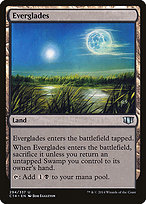
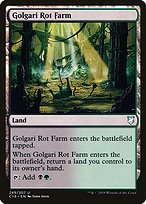
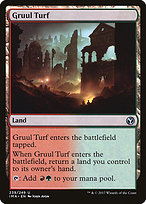
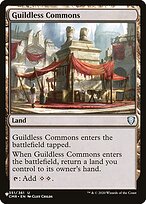
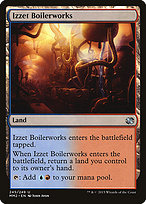
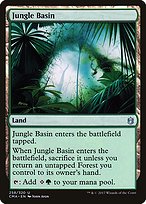
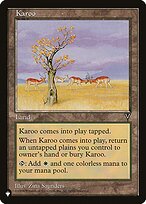
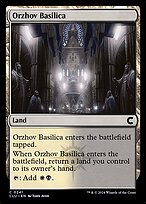
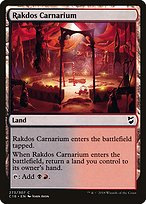
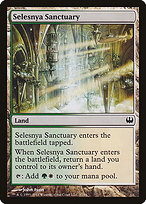
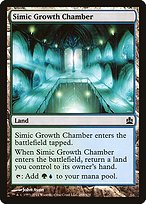
Enter tapped and return a land you control to your hand. In exchange they tap for two mana: one of each colour.
In practice: You lose a little time now and gain an extra mana later. Careful if it gets destroyed: you lose two lands.
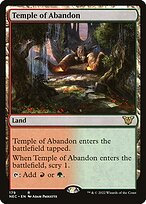
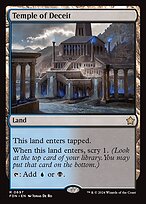
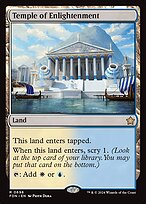
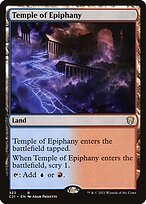
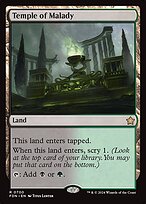
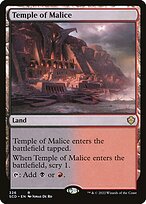
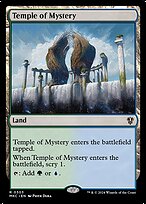
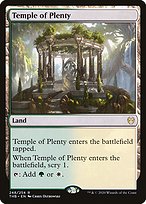
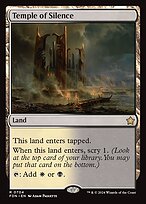
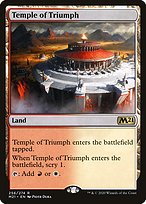
Enter tapped and, as they enter, you look at the top card of your library and keep it there or put it on the bottom (scry 1).
In practice: The best of the cheap lands that enter tapped.
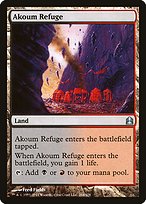
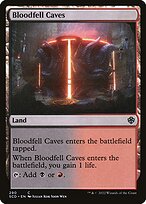
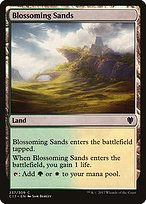
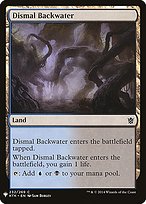
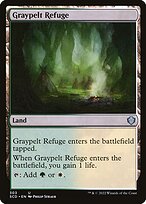
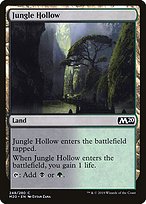
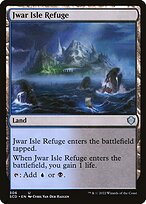
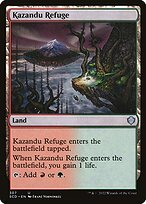
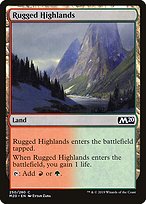
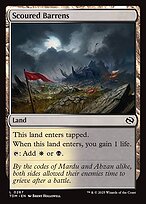
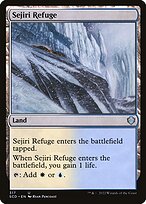
Enter tapped and you gain 1 life.
In practice: The bottom step: nearly free, always tapped. Good to start with, and the first thing to replace when you can.
Start with Command Tower and fill in with basics, pain lands, bond lands and scry lands, which cost little. Shocks and fetches are upgrades for later, not requirements.
Paste your list and see the sources of each colour and which lands to swap.
Analyse my deckPrices in US dollars, for the cheapest version of each card, updated daily.